
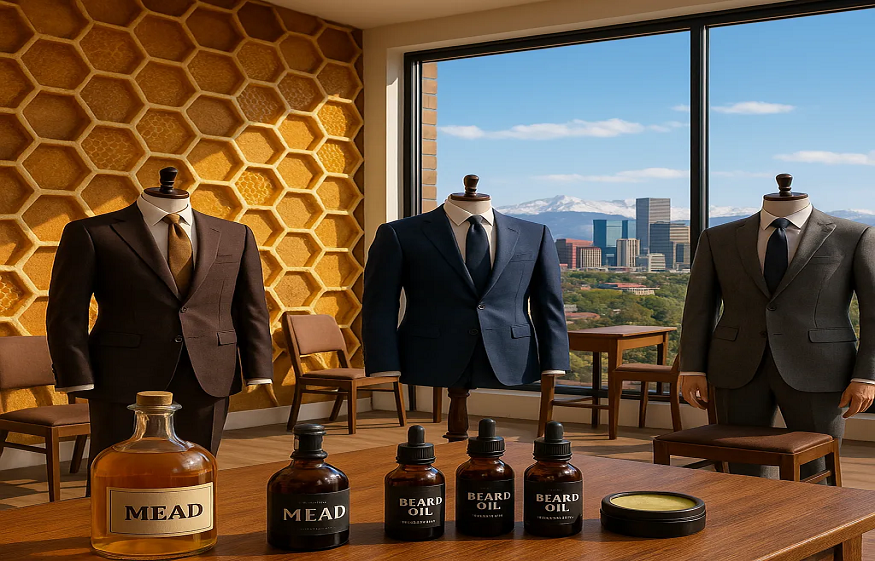
It is a common assumption that dressing for the modern workplace requires choosing between two distinct extremes: the rigid, formal structure of a traditional suit or the relaxed, often shapeless comfort of everyday clothing. Many people operate under the belief that they must compromise their personal style to meet professional standards, or conversely, that they must sacrifice comfort to appear well-dressed. The reality is that there is a significant, versatile middle ground. Refining one’s wardrobe often comes down to understanding how high end suits and clothing can be adapted to suit a variety of settings, from daily meetings to collaborative projects.
The assumptions surrounding modern professional attire
There is often a tendency to categorize professional clothing into strict boxes. One might assume that a custom-tailored garment is reserved exclusively for formal events or high-stakes occasions where a full tie-and-jacket ensemble is mandatory. This perspective can limit how an individual approaches their daily appearance. By viewing a business casual custom suit as an inherently inflexible item, one may miss out on the utility of separates. In many contemporary offices, the ability to blend tailored elements with more casual pieces is exactly what defines a polished, yet accessible, aesthetic.
Read More: TOP 4 CITIES TO MOVE TO FROM BRISBANE: AN INTERSTATE RELOCATION GUIDE
Another common assumption is that high-quality, bespoke clothing is purely about status. While it is true that well-crafted garments often have a distinct quality, the functional benefits of choosing pieces that are tailored to one’s specific proportions are often overlooked. A garment that fits correctly does more than look sharp; it supports comfortable movement and tends to hold its shape better over the duration of a busy workday. The focus should typically shift away from the label or the price and toward the construction and the fit.
What tends to matter more for daily professional wear
When building a wardrobe that balances professional expectations with personal comfort, several factors often prove more important than the initial appearance of the garment. The fabric choice, for instance, significantly influences both how a garment wears and how long it remains in good condition. Breathable, durable textiles that resist wrinkling are often preferable for anyone moving between a desk, commuting, or interacting with colleagues throughout the day.
Construction quality is another essential consideration. A garment may look correct on a hanger, but the internal structure—how it is canvassed, the quality of the stitching, and the way the fabric drapes—determines its longevity. For those seeking high end suits and clothing, prioritizing pieces with solid structural integrity often leads to better value over time. A jacket that is constructed with care will frequently retain its silhouette after many wearings, whereas a less thoughtfully made garment might begin to show signs of stress, such as puckering or loss of shape, quite quickly.
Understanding versatility also plays a role. A well-designed tailored jacket should be capable of being paired with different styles of trousers. By selecting neutral tones and textures that complement a range of wardrobe items, an individual can increase the utility of a single piece. This approach to building a wardrobe is often more effective than focusing solely on complete sets that can only be worn in one configuration.
How to distinguish quality in custom and tailored apparel
Distinguishing the value of different clothing options requires a focus on tactile details. When evaluating a potential piece, observe the stitching. Precise, consistent seams often suggest a higher level of attention during assembly. The way the sleeves are attached or how the lapels sit against the chest can also reveal much about the care taken during production.
One should also consider the internal components, often called the “interlining.” While it may be hidden from view, this layer provides the necessary structure that allows a jacket to conform to the body. Discussing these details with a tailor or an experienced clothier can be very revealing. A professional should be able to explain why certain fabrics are recommended for specific environments or how a particular cut might better suit an individual’s daily routine.
Asking the right questions is key:
- How does this specific fabric perform during long periods of sitting or movement?
- What is the process for adjusting the garment if one’s fit preferences change slightly?
- How should the garment be stored or cared for to maintain its structure?
These questions invite a more nuanced conversation about the garment’s longevity and performance rather than just its aesthetic appeal.
Reframing the approach to a professional wardrobe
Instead of viewing the acquisition of clothing as a series of isolated purchases, it is more useful to think about it as developing a functional system. The goal of a business casual custom suit should be to reduce the mental energy spent on daily choices while ensuring one feels prepared for the day ahead.
When a person feels that their clothing is an asset—something that is comfortable, reliable, and appropriate for their specific professional environment—it can positively influence their level of confidence. This is not about vanity; it is about creating a baseline of presentation that allows the individual to focus entirely on their work rather than on whether their collar is sitting correctly or their jacket is pulling.
Read More : EVALUATE BOTH SCRIPTLESS AND SCRIPT-BASED SALESFORCE AUTOMATION TESTING THAT SUITS YOU BEST
The divide between formal and casual is becoming increasingly porous, and this provides an excellent opportunity for people to define their own professional style. By prioritizing fit, high-quality materials, and the versatility of the pieces selected, one can curate a collection of clothing that serves them effectively across many different contexts. The most useful way to think about professional attire is as a tool that should work as hard as you do, providing comfort and a consistent appearance throughout the diverse demands of a modern career.