
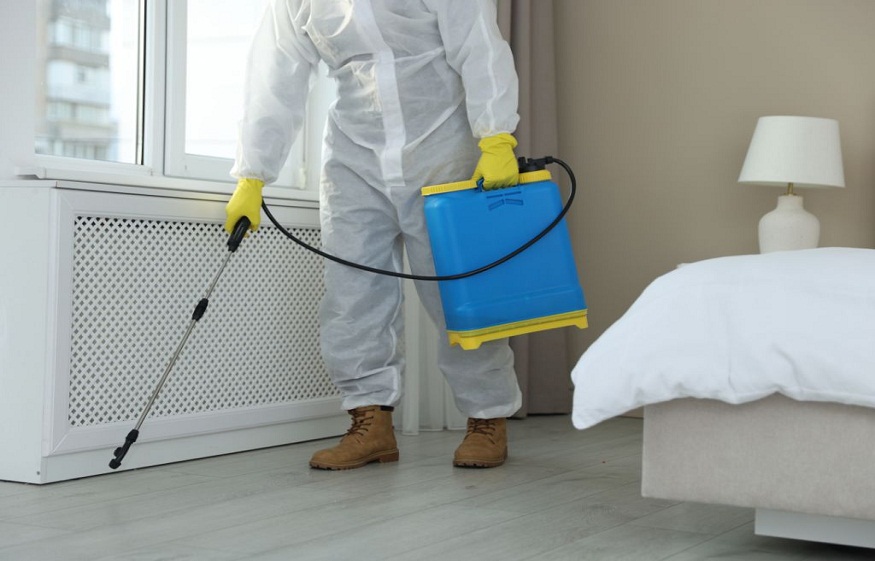
When a business discovers a pest issue, the problem often feels like an immediate crisis that threatens daily operations, brand reputation, and hygiene standards. Whether it involves unwanted insects in a breakroom or evidence of rodents in a storage area, the initial reaction is usually a desire for a fast solution. However, finding effective commercial pest control in Fargo requires shifting the focus from simple elimination to long-term prevention. Understanding why these situations occur and how they can be managed is essential for facility managers who aim to maintain a professional, compliant, and comfortable environment for employees and clients alike.
Why Facility Pest Issues Are Often Misunderstood
Many business owners treat pest management as a reactive chore — calling for assistance only after a visible sighting occurs. This approach is generally challenging because by the time pests are visible, a larger population may have already established itself within the building’s structure. Pests are typically driven by the search for resources: warmth, moisture, and consistent food sources.
Read More : WHAT SPLIT-LEVEL HOMES CHANGE ABOUT PEST ACTIVITY IN NASHVILLE
In a commercial setting, these resources are often abundant. Gaps around doors, ventilation systems, or plumbing fixtures can serve as entry points that go unnoticed during the daily bustle of business. Because these vulnerabilities are often subtle, they remain unaddressed until an infestation creates an obvious disruption. Effective management requires looking beyond the immediate sighting and identifying the structural or operational habits that make a facility an attractive environment for pests in the first place.
How Comprehensive Pest Management Functions
A robust program for commercial pest control in Fargo operates through a systematic process rather than a single event. The most reliable approach is often described as integrated management. This involves a cycle of inspection, identification, treatment, and ongoing monitoring.
Instead of relying solely on broad-spectrum applications, technicians typically start by conducting a thorough assessment of the facility. They look for signs of activity, identify the species involved, and pinpoint the environmental conditions that are supporting them. By addressing the “why” — such as leaky pipes creating moisture or cracks in foundation walls — the strategy focuses on creating an environment that is naturally less welcoming to unwanted guests. This approach is generally more sustainable and effective for commercial spaces that must maintain high standards of cleanliness while minimizing the use of unnecessary products in work areas.
Factors That Influence Long-Term Success
The outcome of any pest management strategy depends on a few key variables. First, the collaboration between the business and the service provider is paramount. Since facility managers have the most intimate knowledge of building operations, they often play a crucial role in maintaining sanitation standards that limit food access for pests. Small adjustments, such as improved waste management, routine cleaning of under-equipment areas, and sealing entry points, often yield more significant results than a single treatment application could ever provide.
Another factor is the nature of the facility itself. Different industries face unique risks. A restaurant has vastly different needs compared to a warehouse or an office complex. Effective providers recognize these distinctions and tailor their plans to the specific architecture and operational demands of the business. An office building might prioritize preventative measures for common insects, while a food-handling facility must focus on rigorous exclusion techniques and strict monitoring protocols to meet regulatory expectations.
Practical Ways to Approach Facility Protection
For businesses seeking reliable commercial pest control in Fargo, the best strategy is to be proactive. Waiting for an infestation to trigger a phone call is rarely the most efficient path. Instead, consider these steps for maintaining a well-protected facility:
- Prioritize Exclusion: Work with your provider to identify and seal potential entry points. This could involve installing better door sweeps, ensuring screens are intact, or using specialized materials to block gaps around exterior utility penetrations.
- Focus on Sanitation: Ensure that waste containers are regularly emptied, and areas where food debris might accumulate are thoroughly cleaned. Moisture control is also vital; even small leaks or condensation can sustain large populations of insects.
- Establish Routine Inspections: Regular visits from a professional allow for the early detection of issues before they escalate. Consistent monitoring helps identify seasonal changes in pest behavior, allowing for timely adjustments to the management plan.
- Maintain Clear Communication: Keep an open line with your service provider. If staff members notice unusual signs of activity, documenting when and where they occur can provide the data needed to target treatments more effectively.
Asking the Right Questions
When interviewing potential partners for your business, look for providers who emphasize understanding your specific needs. Ask how they determine the scope of their treatment plans and what documentation they provide after each visit. A professional service should be able to explain the rationale behind their methods and provide clear guidance on how your internal team can support the facility’s defense. Trustworthy providers are typically transparent about what they can realistically achieve and are willing to coordinate with your existing facility maintenance schedules.
Read More : CHOOSING THE RIGHT RESIDENTIAL PEST CONTROL SERVICE: TIPS AND RECOMMENDATIONS
Choosing the right approach to maintaining a clean, professional environment is a continuous process of observation and adjustment. By moving away from emergency-only responses and toward a structured, partnership-based model for Dakota Pest Control, you can better protect your physical space and the reputation of your business. Taking the time to build a robust, preventative plan today is a sensible investment that supports a more seamless, worry-free operation in the future.